


Motivation is emotional.
Momentum is structural.
Most early-stage founders mistake the two.
They wait to feel clear before acting.
They wait to feel confident before shipping.
They wait to feel inspired before committing.
The founders who compound do something different.
They design systems that function when emotion doesn’t.
Momentum is not a mood.
It is an operational outcome.
Below are the deeper principles behind sustained progress.
1. Iteration Speed Is a Strategic Advantage
Military strategist John Boyd developed the OODA Loop:
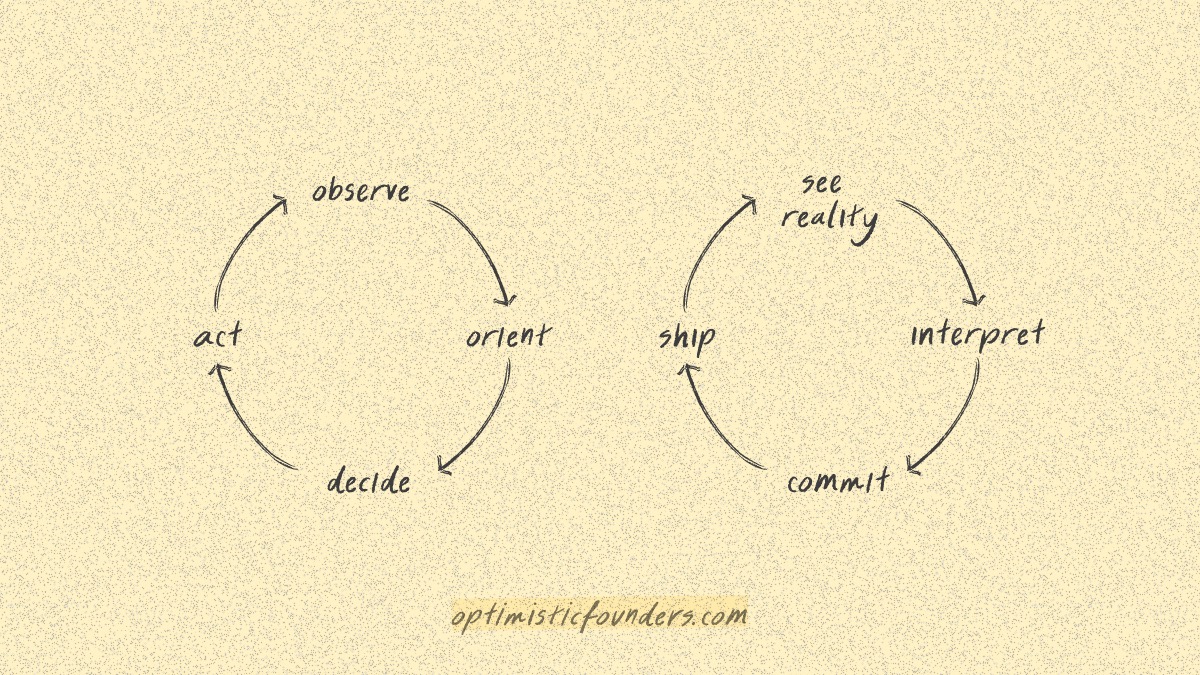
Observe → Orient → Decide → Act.
In startup terms, this translates to:
See reality → Interpret → Commit → Ship.
The founder advantage is not perfect analysis.
It is the speed of feedback integration.
When you lengthen your orientation phase — overthinking positioning, rewriting strategy, reworking vision — you create latency.
Momentum collapses under latency.
The founders who endure shorten loops.
They are willing to be directionally correct rather than strategically perfect.
Compounding begins where hesitation ends.
2. Constraint Is a Performance Multiplier
Parkinson’s Law is not productivity advice. It is strategic leverage.
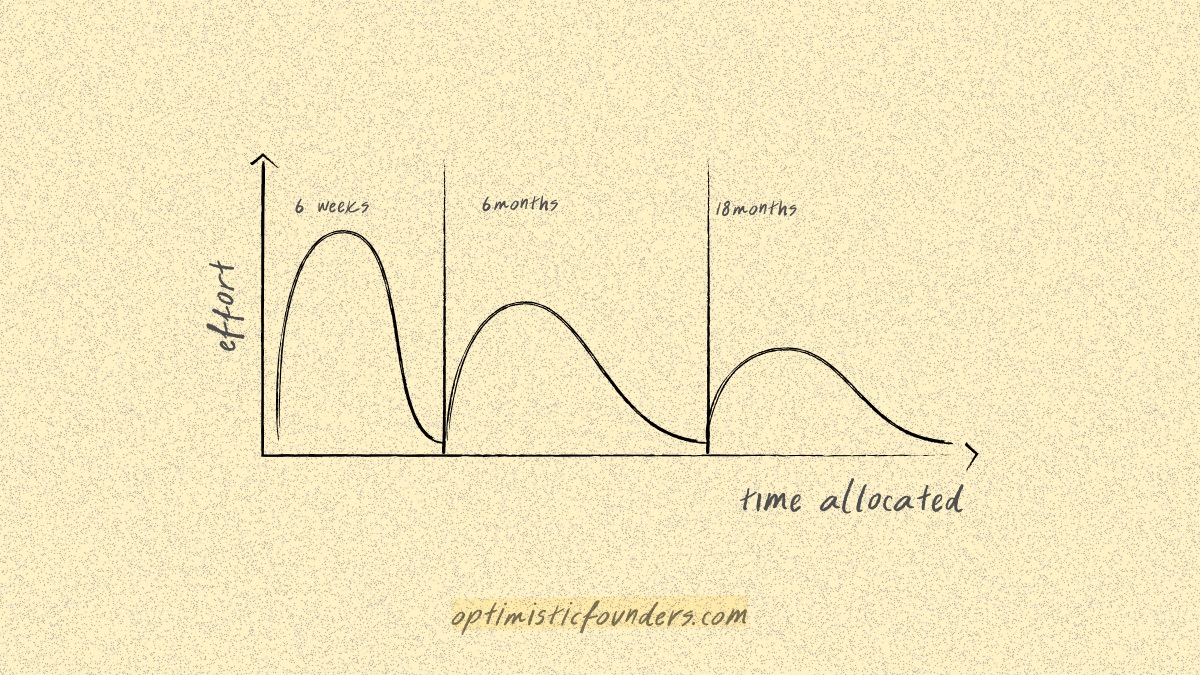
Work expands to fill the time available.
If your runway is 24 months, you move differently than if it’s 6.
If your sprint is 2 weeks, you prioritize differently than if it’s 2 days.
Constraint forces prioritization.
Prioritization clarifies action.
Clarity accelerates momentum.
Abundance of time often creates stagnation.
Strategic constraint creates movement.
3. Activation Energy Determines Output
Physics teaches that objects at rest resist motion.
So do companies.
The hardest action in any build cycle is the first one:
- Publishing the first draft
- Sending the first cold email
- Shipping the imperfect product
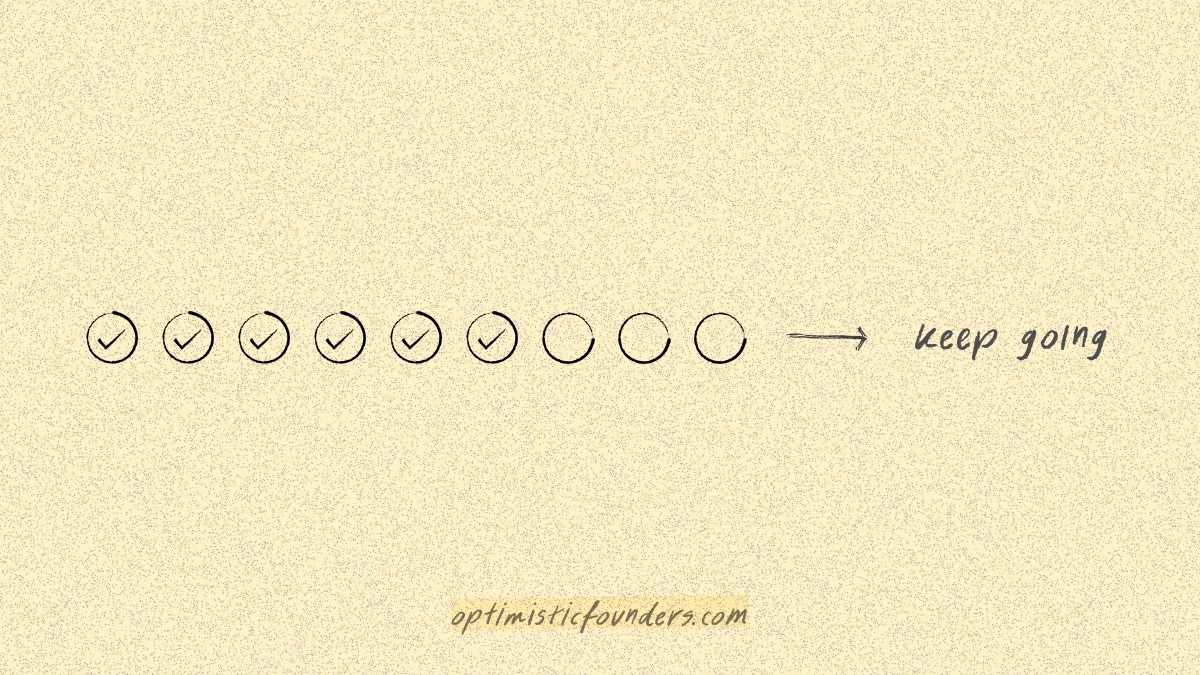
Founders who maintain momentum understand friction.
They don’t attempt to eliminate fear.
They reduce the size of the first step.
Lower the barrier.
Increase the frequency.
Volume creates stability.
4. Loss Aversion Protects Commitment
Behavioral economics shows we are more motivated by avoiding loss than acquiring gains.
Most founders ask:
“What if this works?”
Few ask:
“What do I lose if I disengage now?”
You lose:
- Compounded learning
- Market timing
- Relationship equity
- Self-trust
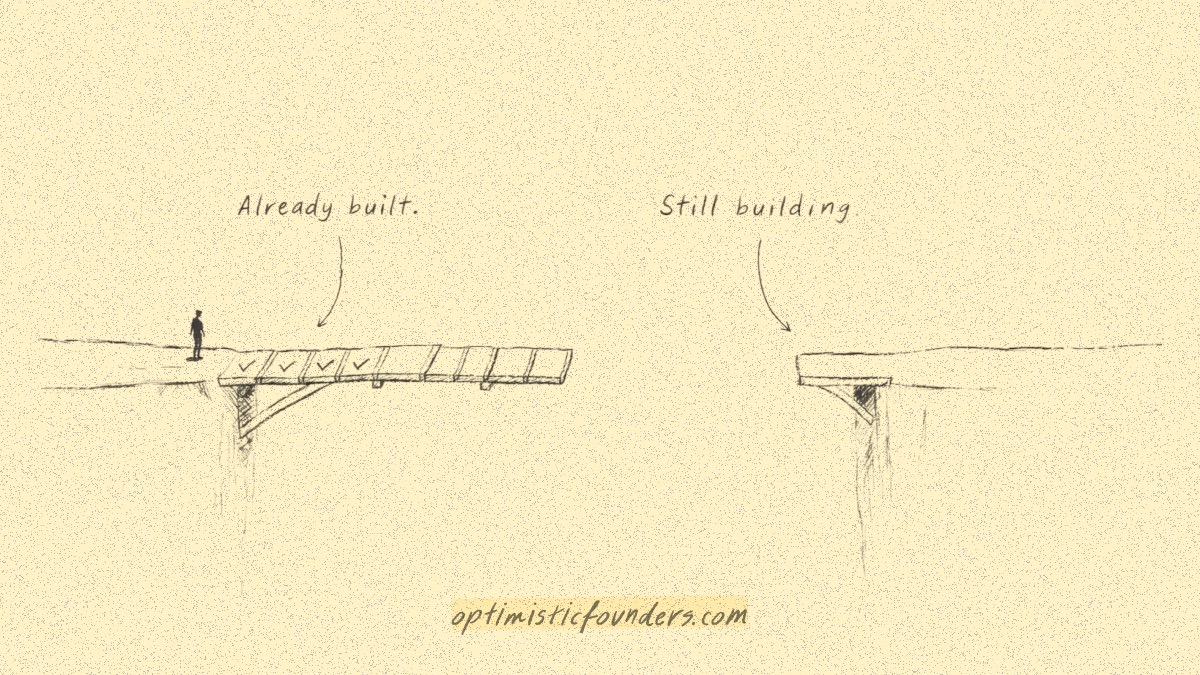
Momentum is often sustained not by excitement, but by clarity around the cost of stopping.
The long game rewards those who remain positioned.
5. Identity Reduces Emotional Volatility
Motivation fluctuates. Identity stabilizes.
When you decide:
“I am someone who ships.”
Action becomes default behavior rather than emotional negotiation.
Founders with identity-based discipline:
- Don’t debate whether to show up
- Don’t over-index on mood
- Don’t catastrophize temporary plateaus
They behave in alignment with who they’ve decided to be.
Identity removes friction from repetition.
Repetition creates compounding.
6. Emotional Regulation Is an Operational Function
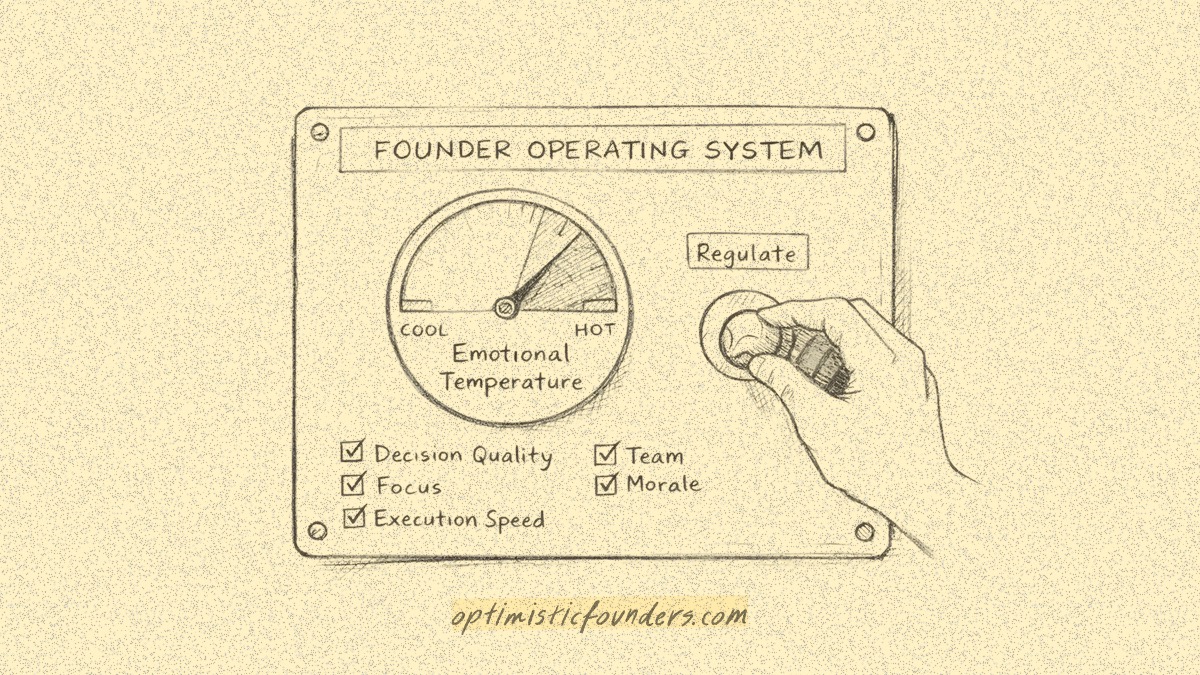
Momentum is biological.
Sleep quality impacts decision quality.
Financial insecurity impacts risk tolerance.
Chronic stress impacts creativity.
Founders often optimize tactics while neglecting physiology.
Energy is infrastructure.
Without stable energy:
- Strategic thinking declines
- Iteration slows
- Fear increases
Momentum decays when nervous systems are overloaded.
Sustained founders regulate before they react.
Follow @optimisticfounders on Instagram for more grounded founder thinking or reach out on X and tell me what you’re building.